Pineapple fiber in fashion: benefits, trade-offs and sample checks
By Beyond Cotton · Updated · Independent editorial guidance
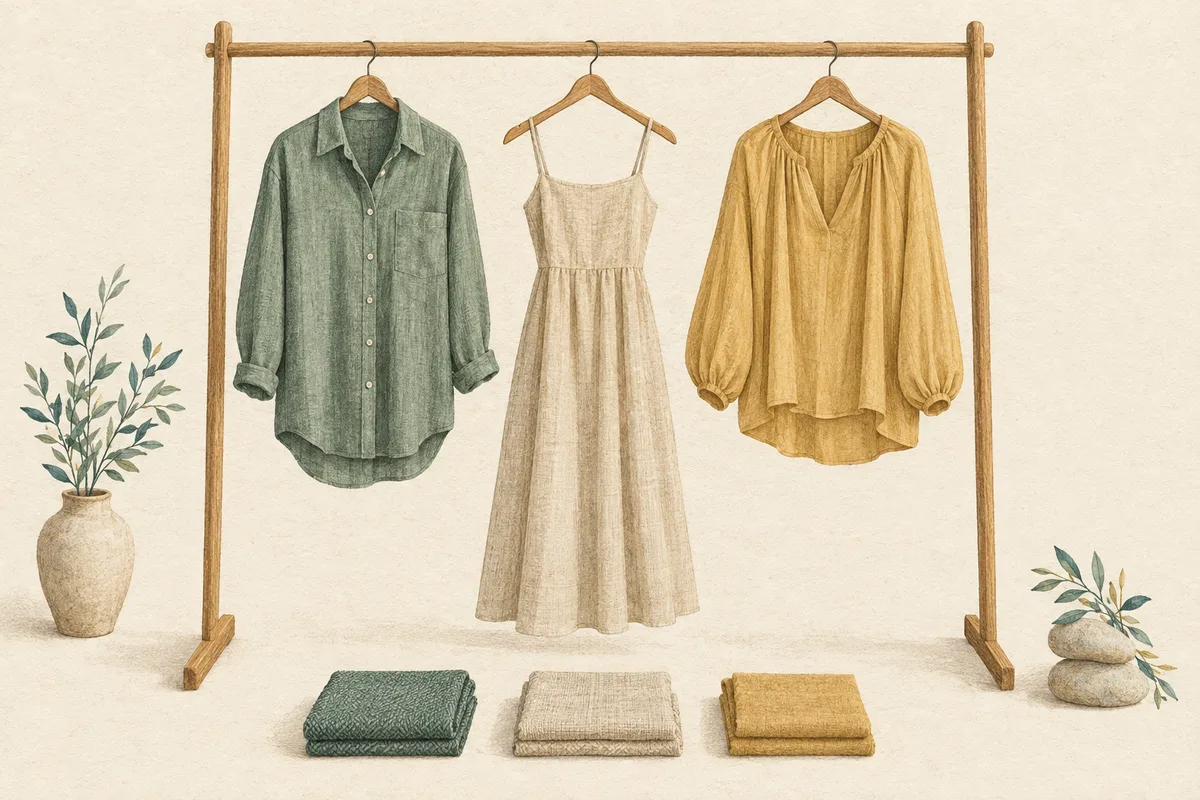
A pineapple textile is worth exploring when its appearance, composition and construction suit a product you want to make. The useful question is which sample works for your garment or accessory—not whether every pineapple-based material has the same benefits.
This is a designer’s evaluation checklist, not a claim that we have worn or laboratory-tested the materials. Start with our guide to piña, blended textiles and Piñatex if the product names are unfamiliar.
Match the opportunity to the product
Garments: judge the fabric
Use a sample large enough to assess your intended silhouette. Check opacity, handle, movement and seams with the maker, then agree a care trial. A promising swatch is a starting point for a prototype.
Accessories: judge the assembly
For a bag or wallet, evaluate a trial seam, folded edge, lining and fastening together. Ask which backing and joining methods the material supplier recommends for the selected grade.
Potential benefits—and what would support them
- A distinctive appearance: compare physical swatches in your colors and intended construction. Product photographs cannot establish handle or drape.
- A different sourcing story: ask who processes the fiber and makes the textile, then describe only the documented steps. Do not imply every supplier uses the same process.
- An alternative composition: establish the exact fiber percentages before treating a material as a substitute for your current fabric.
- A workable small trial: request sample and stock-cut terms separately from custom development. A sample offer does not establish production minimums.
A pineapple blend may contain cotton
NEXTEVO’s yarn page names cotton among its blend partners. If the brief excludes cotton, state that requirement before sampling. Record every fiber percentage for the chosen product and ask separately about linings, thread, coatings and trims.
For finished products, our cotton-free clothing checklist provides a message you can adapt for sellers. A material supplier’s declaration does not describe every component added by a clothing brand.
Turn the swatch into a useful trial
- Set the brief: garment or accessory, intended use, target composition, care method and trial quantity.
- Identify the sample: product code, batch if provided, color and finish. Keep these with the quotation.
- Ask the maker to construct a trial: include the seam, edge or fastening that is likely to determine whether the material works.
- Agree acceptance criteria: write down the fit, appearance and care outcomes you require before testing.
- Resolve production questions: repeat availability, minimum by color, lead time and the process for defective material.
Claims to keep out of a launch description
Do not call a product waterproof, antibacterial, stronger, lower-carbon or biodegradable solely because it contains pineapple fiber. Ask for evidence tied to the exact product and claim. If a supplier provides a test report, check which material was tested and whether it covers the finished construction you will sell.
The previous version included blanket performance benefits and unsupported growth ratings. They have been removed. For a documented starting point, compare our NEXTEVO and Ananas Anam profiles; then use the quote checklist to make supplier replies comparable.
Sources checked October 28, 2026. Supplier statements are attributed; no purchase, sample testing or factory audit was performed. Our editorial standards.