Furniture sourcing
Pineapple-fiber upholstery: what to check before specifying it
By Beyond Cotton · Updated · Independent editorial guidance
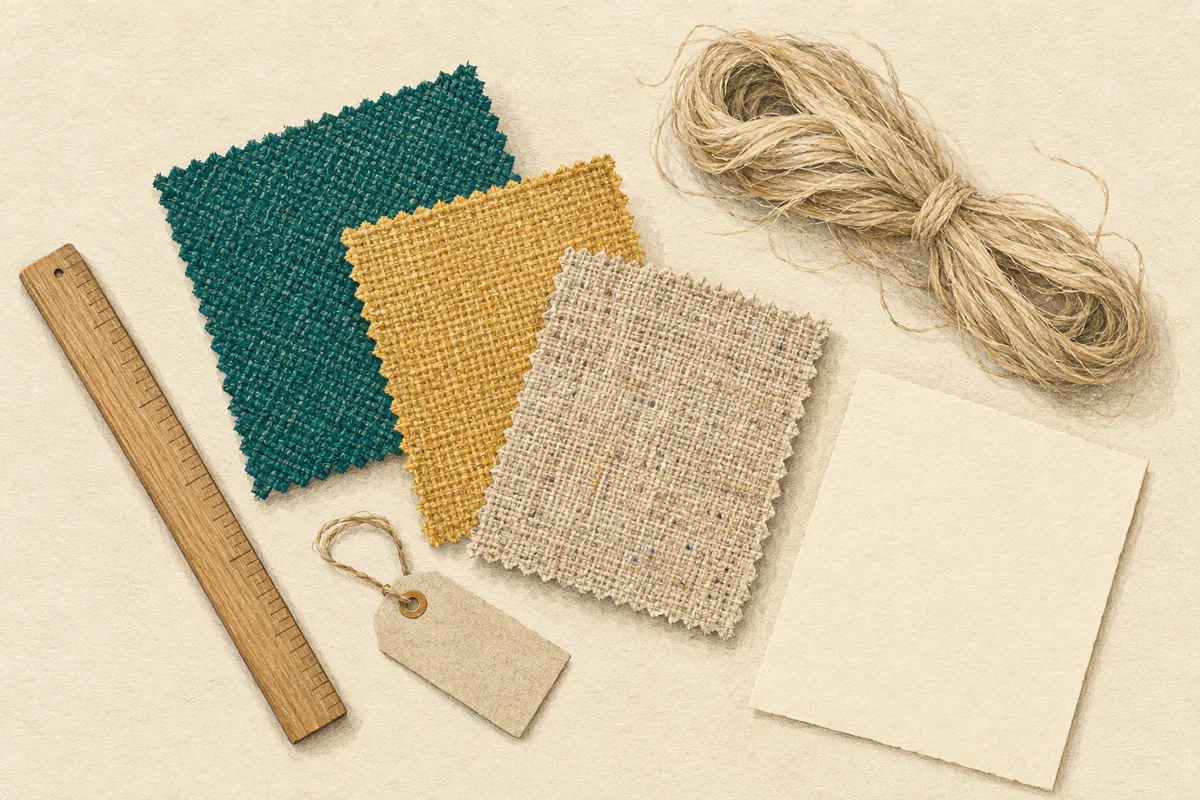
A pineapple-based material may be worth sampling for a chair or upholstered panel, but its fiber source does not tell you whether it will work in your furniture. Begin with the exact finished material and the conditions it will face. This guide proposes a purchasing workflow; we have not tested upholstery samples.
1. Identify what you are buying
Do you need woven fabric, a coated sheet or raw fiber for further processing? These are different purchasing briefs. Ananas Anam describes Piñatex as a nonwoven textile for uses including soft interiors. Its FAQ distinguishes the pineapple-fiber/PLA base from collection-specific coatings and states that the finished material is not wholly biodegradable. Do not transfer those details to another pineapple-based product.
Ask for the product code, collection, color, full layer composition, thickness, usable width and backing. If your brief excludes cotton or particular plastics, obtain a written answer covering the complete material, including any added backing. Record unresolved details before ordering.
2. Define the furniture application
Where will it be used?
Describe the seat, back, cushion or decorative panel; home or commercial setting; expected use; sunlight exposure; and cleaning routine.
How will it be assembled?
Give the upholsterer the pattern, curves, seams, foam, adhesive and attachment method. Ask which sample trials they need before quoting production.
Do not assume outdoor suitability. The Piñatex FAQ describes water resistance, not waterproofing. That distinction does not establish resistance to prolonged sunlight, repeated wetting or an outdoor cleaning regime. Request confirmation and relevant reports for the intended environment.
3. Match test reports to the exact material
Ananas Anam’s sales and sampling page lists test categories including tear and tensile strength, flexing, seam rupture, finish adhesion and color fastness, with a route to test documents. These categories help frame questions; a general list is not a result for your chosen construction.
- Request the report date, tested product and finish, method, conditions and measured result.
- Ask your upholsterer or testing specialist which abrasion, seam, surface and color checks your project needs.
- Have the responsible specialist establish applicable fire requirements for the destination and furniture construction. Do not infer compliance from the fiber name or an unrelated report.
4. Build and keep a representative sample
Order enough material to trial the actual assembly, not just inspect a color swatch. Label the sample with its product code, batch if available and receipt date. Record cutting direction, seams, tension around curves and the appearance of joins. Photograph observations and retain an approved reference alongside the agreed specification.
Request collection-specific care instructions and trial the intended cleaning process on the prototype. Record visible changes rather than promising a lifespan from a short trial. Establish who will resolve an unexpected result before committing to a larger order.
5. Turn the sample decision into an order brief
Confirm price units, usable dimensions, minimum per color, lead time, batch variation, repeat availability and the process for reporting nonconforming material. Keep the approved sample and its specification linked to the purchase order.
Use our supplier quote checklist for commercial terms and the pineapple supplier guide to distinguish product offers. The aim is a traceable material decision, supported by a representative prototype and relevant evidence.
Official sources reviewed October 28, 2026. Supplier statements are attributed above; the sample workflow is Beyond Cotton’s editorial guidance.